Room to be yourself
You should not have to perform, minimise your feelings or find the “right” words to be heard. Your perspective matters.

Starting counselling means speaking to someone you may not yet know. It is natural to want a sense of the person who will be listening.
I’m Zephania. At Long Arm Counselling, I offer a calm space where you can bring what is on your mind, without needing to have it all worked out first.
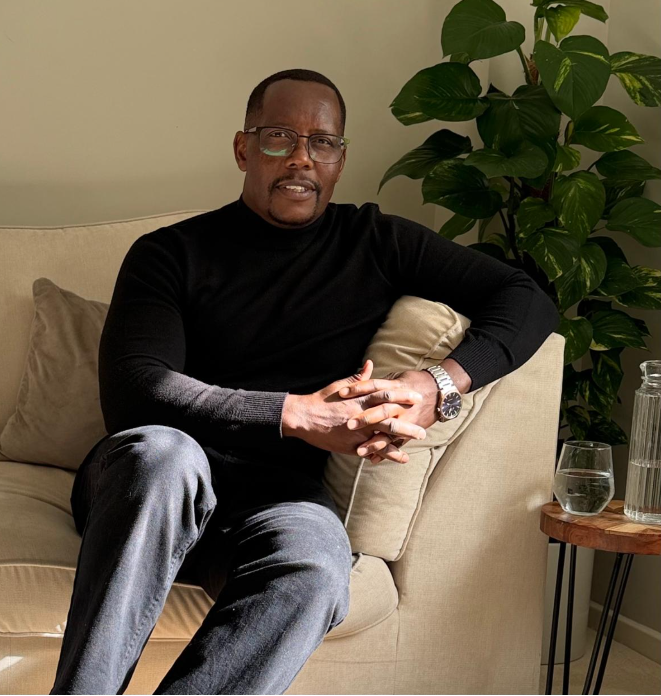
My work has brought me into contact with people in different circumstances and at different points in their lives. Before my work as a counsellor, I served as a religious minister and worked in varied roles in the care industry. Those experiences gave me a depth of understanding of helping and supporting others.
Counselling provides a dedicated space for that support: time to pause, to be listened to and to explore what an experience means to you. My earlier roles are part of the background I bring. In our conversations, though, the focus is on your life, your perspective and what you need from the time we spend together.
I am a qualified integrative counsellor and a registered member of the British Association for Counselling and Psychotherapy. I work in accordance with its ethical and professional standards. This commitment sits alongside something equally important to the conversation: treating you with care, respect and attention.
You do not need to arrive with a clear explanation or know exactly where to begin. Sometimes the starting point is a particular worry. Sometimes it is simply a feeling that things have become difficult and that you would like some support.
My approach is integrative. Rather than expecting everyone to fit the same way of working, I draw on recognised counselling approaches and shape our work around the person, the situation and the pace that feels manageable.
We can make room for difficult feelings without rushing to tidy them away. Together, we can explore patterns, consider what matters to you and develop a clearer understanding of what you are carrying. You remain an active part of that process; there is room to ask questions and say when something does not feel right.
You should not have to perform, minimise your feelings or find the “right” words to be heard. Your perspective matters.
There is no expectation to share everything at once. We can begin with what feels possible and take it from there.
Discretion, careful listening and professional boundaries matter. Questions about confidentiality and how counselling works are welcome.
You may be dealing with stress or anxiety, grief, low mood, a relationship difficulty, or a loss of confidence. You may be trying to understand anger, habits that have become difficult to manage, questions of identity and belonging, or the pressures of work and study.
Life transitions can also bring feelings that are hard to name. You do not need to fit neatly into a category to begin a conversation about whether this support is right for you.
A complimentary 15-minute introductory telephone call gives you a chance to ask questions, hear more about how I work and consider whether you would feel comfortable speaking with me.
You can say a little about what has brought you here, or begin with the practical questions on your mind. There is no obligation to continue. Feeling that you can talk openly matters, and it is reasonable to take time over that decision.
A complimentary introduction. A first step at your pace.Ask a question, share your experience or simply take the first step. Choose the way that feels right for you.